The Psychology of Branding: Why It Matters for Startups
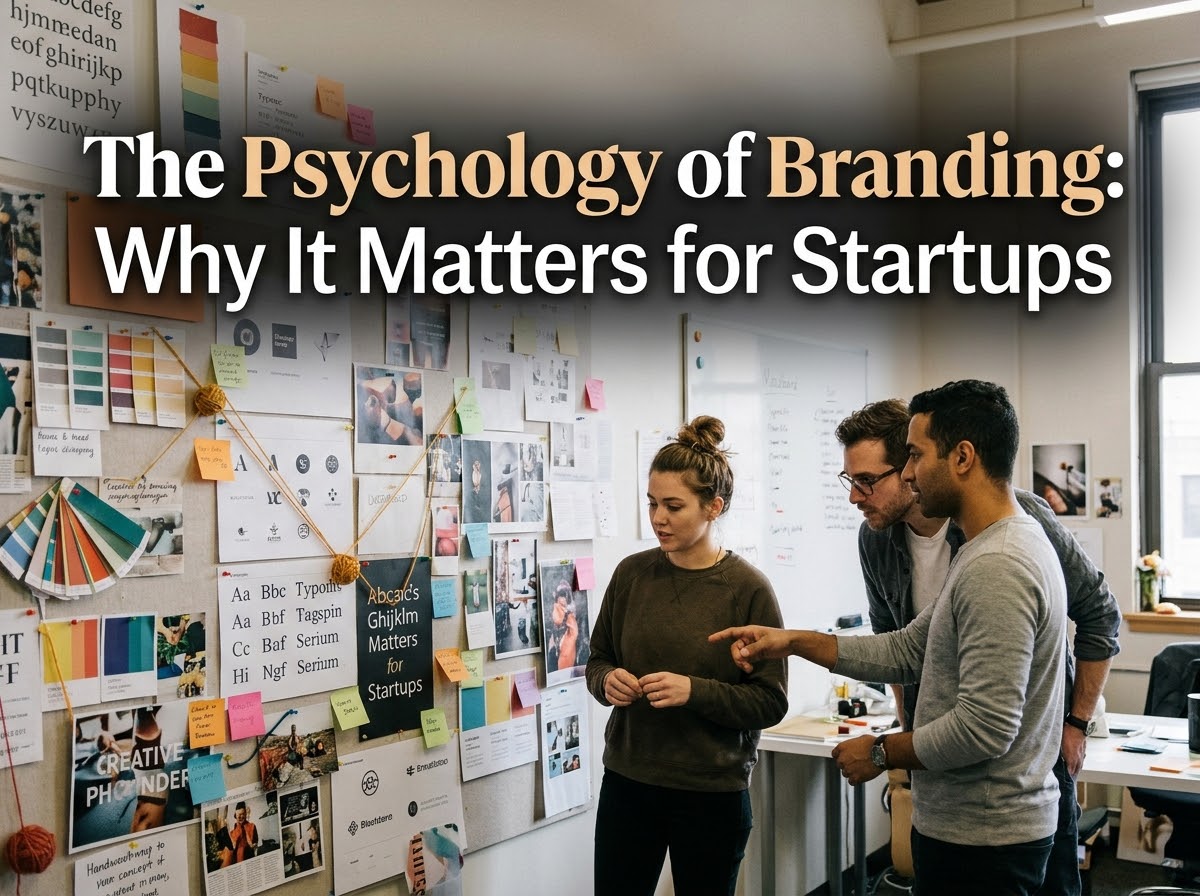
Startups face a branding problem established businesses do not: nobody knows them yet. There is no reputation to borrow and no track record to check, so people judge the brand itself — quickly, and largely on feeling. That judgement is psychology at work. How a name sounds, what a colour suggests, whether a website looks careful or careless — these shape whether a stranger trusts you enough to buy. Understanding the psychology of branding is not about manipulating people. It is about recognising how decisions are actually made, and presenting your business so genuine quality is easy to perceive. For a startup, that can be the difference between being given a chance and being scrolled past.
First Impressions Happen Fast — and Stick
People form an impression of a business within moments: a website loading, a logo on a van, a profile picture in search results. And they stick — later information is interpreted in their light, so a poor one takes effort to undo.
A new business cannot open with years of happy customers; its first impression is its pitch. The impression is formed from surface signals — polish, clarity, care. That is why design carries unusual weight for a young company: the brand’s look is the only evidence available, so it is treated as evidence about everything else.
Trust Signals Do the Heavy Lifting
With no history to inspect, customers look for proxies. Does this business look established? Careful? Real? Clear contact details, professional photography and plain copy all act as trust signals. So does consistency: a logo that changes between the website and the invoice, or colours that never quite match, reads as carelessness — and carelessness in presentation hints at carelessness in the work itself.
Social proof works the same way. Testimonials, reviews and recognisable client names are borrowed confidence: they let a stranger lean on others’ experience instead of risking their own. A startup has little at first, which makes displaying whatever it has — early reviews, pilot customers, accreditations — especially valuable.

Consistency Builds Recognition
Familiarity feels safe. We are more comfortable with things we have seen before, which is why recognition is so valuable: the business a customer half-remembers feels less risky than one never encountered. Recognition is built by repetition — the same logo, colours, typefaces and tone appearing repeatedly until separate encounters merge into one remembered business.
This is where consistent branding earns its keep. Every matching touchpoint reinforces the memory; every differing one starts a new, weaker one. For a startup, consistency is the cheapest reach available: every advert, post and invoice adds to one mental picture instead of scattering spend across half-formed ones.
Colour and Type Speak Before Words Do
Before a visitor reads your headline, they have registered your colours and lettering — and both carry feelings. Colour psychology is the clearest example: blue tends to feel calm and dependable, green suggests nature and growth, warm colours feel energetic, black reads as premium. None are laws — shade, context and culture shift the effect. But the associations are real, and they set the tone for everything that follows.
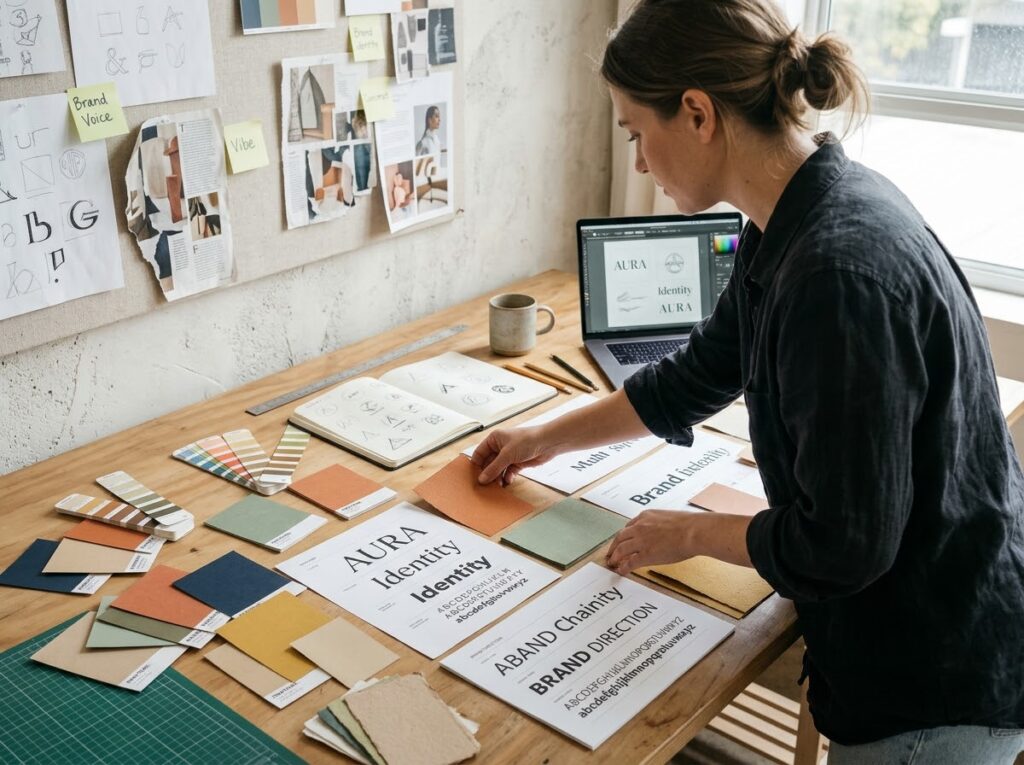
Typography has a voice too. A traditional serif feels established and formal; a clean geometric sans feels modern and efficient; rounded letterforms feel friendly. If your words say “expert” while your typeface says “playful”, readers feel the mismatch even if they cannot name it. Choose both deliberately, and the feelings your brand creates are the ones you intended.
Emotion First, Logic Second
Most buying decisions are made emotionally and justified rationally afterwards. A customer chooses the supplier who feels right, then checks prices and features to confirm the choice. Branding speaks mainly to the first step: it shapes how a business feels — reassuring or risky, premium or bargain, for people like me or not.
This does not make the rational side unimportant — it means it only gets a hearing once the emotional case has opened the door. A startup’s facts — prices, features, credentials — are presented by the brand before they are read. If the feeling is wrong, the facts may never be reached.
Why This Matters More for Startups
An established brand can survive a mediocre look — reputation compensates, and customers forgive the dated website of a firm they trust. A startup has no such buffer. Perception is not one factor among many — at the beginning, it is nearly the whole decision.
The effects run inward, too. A brand that looks serious helps a young business behave seriously: pitching with confidence, pricing properly rather than apologetically, and being taken seriously by suppliers and partners as well as customers. And early choices compound: recognition built in year one is an asset later years draw on, while a confusing start has to be un-built first.
Putting Psychology to Work
None of this requires a large budget — just deliberate decisions, made with the customer’s mind, not your own taste:
- Name — easy to say, spell and remember: a name people cannot repeat is one they cannot recommend.
- Colour — chosen for the feelings your audience should have, not because it is your favourite, and checked against competitors so you do not blend in.
- Typography — matched to your voice: dependable, playful, premium or practical. One or two typefaces, used consistently.
- Tone of voice — write the way you want to be perceived, in the same register on your website, invoices and social posts.
- Consistency — the same identity on every touchpoint, so every encounter strengthens one memory rather than starting a new one.
Handled this way, you are building a brand identity that works on the mind before a single sales conversation begins.

Quick Checklist
- First impression reviewed: what does a stranger conclude in seconds?
- Trust signals in place: contact details, testimonials, accreditations shown
- Logo, colours and type identical across every touchpoint
- Colours chosen for the feelings they create in your audience
- Typography matches the voice your words use
- Name is easy to say, spell and pass on
- Every new item checked against the existing identity before use
Frequently Asked Questions
Does branding psychology really affect buying decisions?
Yes — mostly at the shortlisting stage, where startups win or lose. Customers rarely analyse a new supplier in depth; they form a quick impression from the brand, and only businesses that feel right get compared on price and detail.
Can good branding make up for a weak product?
No. Branding earns a first chance; the product or service earns the second. Good branding simply ensures a genuinely good offer is not dismissed before it is tried — removing an unfair obstacle rather than creating an unfair advantage.
What if I cannot afford professional branding yet?
Start with the free parts: consistency and clarity. Use one logo version, one or two colours and one typeface everywhere, keep your details and reviews easy to find, and write plainly. Those choices cost nothing and cover much of what makes a young brand feel trustworthy.
Conclusion: Perception Is a Startup’s First Asset
A startup’s brand is judged before its work can be. First impressions, trust signals, recognition and emotional fit decide whether a stranger gives you the chance your product deserves. None of that is decoration: it is the psychology of how people choose, applied to decisions every new business has to make anyway — name, colour, typography, tone, consistency.
If you would like those decisions made with strategy behind them, Designores is a full-service design studio with 1,600+ projects completed for 900+ companies, including identities for businesses at this stage. Get in touch when you are ready.