
How to Create a Powerful Brand Identity for Your Small Business

Your brand identity is much more than a logo. It is the complete impression people are left with after they have seen your website, scrolled past your social post, picked up your business card, or opened one of your packages. When those impressions feel joined-up, people recognise you, remember you, and trust you. When they don’t, even a great product can look inconsistent and forgettable.
The good news: you do not need a big-company budget to create a brand identity that works. You need a clear process. Work through the steps below in order — each builds on the last, and together they will give you a brand that looks professional, sounds like you, and can grow with your business.
Step 1: Define Your Purpose, Values and Audience
Every strong brand identity starts with strategy, not design. Before you choose a colour or sketch a logo, get clear on three things:
Know why you exist
What does your business do, who does it help, and why does it matter? A one-sentence purpose statement is enough. For example: “We help busy families eat well on weeknights with ready-to-cook meal kits.” That line will guide almost every later decision.
Decide what you stand for
Pick three to five values that genuinely shape how you work — perhaps friendly, reliable and creative, or precise, honest and premium. These are not wall decorations. If “friendly” is a value, your copy should sound warm. If “premium” is a value, your packaging should not look cheap.
Describe the customer you want most
You cannot design for everyone. Picture your ideal customer: what do they do, what do they care about, what problems are they solving, and what other brands do they like? The clearer this picture, the easier it is to choose visuals and words that feel right to them — and to politely ignore everyone else.

Step 2: Research Your Competitors and Your Market
Next, look around you. List five to ten competitors — local rivals and online businesses your customers might choose instead. Note their colours, logo style, tone of voice and promises.
You are not doing this to copy them. You are looking for the conventions customers already expect in your market, and the gap you can own. If every competitor uses blue and sounds corporate, there may be room for a warmer, more personal brand. If everyone looks playful, a calm, expert identity could stand out. Write down what you find; it will stop you designing a brand that looks like everyone else’s.
Step 3: Settle Your Name, Tagline and Voice
If you are still choosing a business name, keep it short, easy to spell and say, and available — check the domain and social handles before you fall in love with it. A short tagline can clarify what you do, especially if your name is abstract.
Then define your voice — your personality in words. Are you the expert guide, the friendly neighbour, or the bold challenger? Choose a few describing words, with examples: “We say ‘Here’s how to fix it’ — not ‘Leveraging synergies to optimise outcomes’.” You will use this in website copy, social posts, emails and even invoices, so make it practical.
Step 4: Design Your Visual Identity
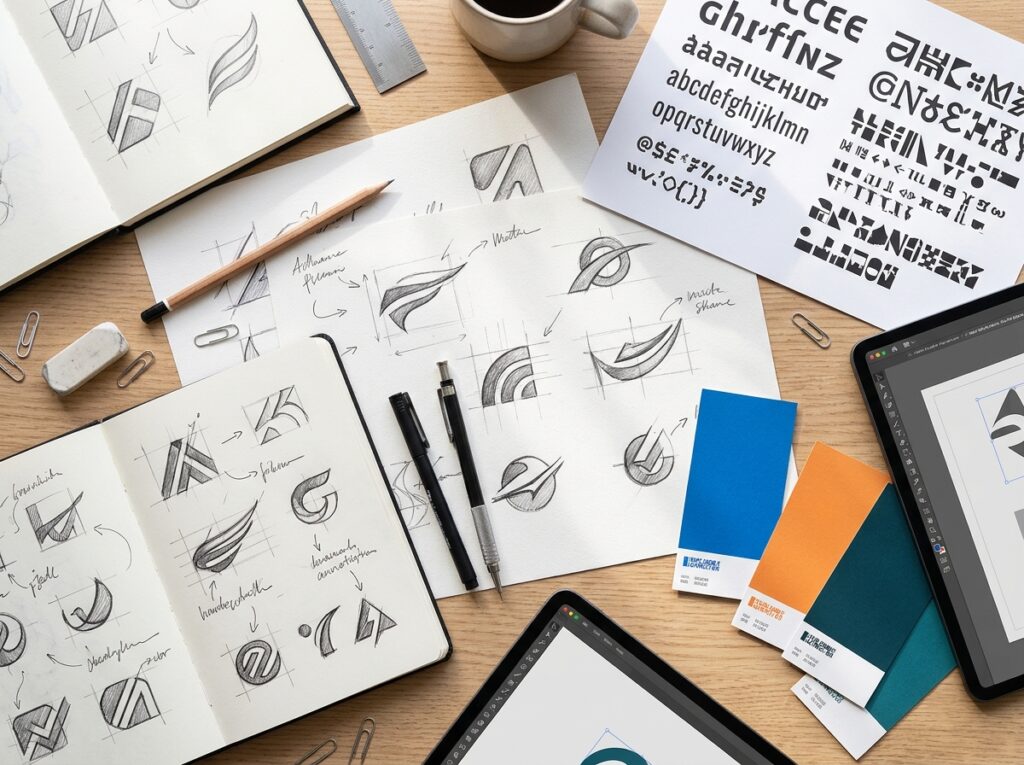
Now — and only now — it is time to design. Your visual identity has four main parts, and they need to work as a system, not as separate decorations.
Logo
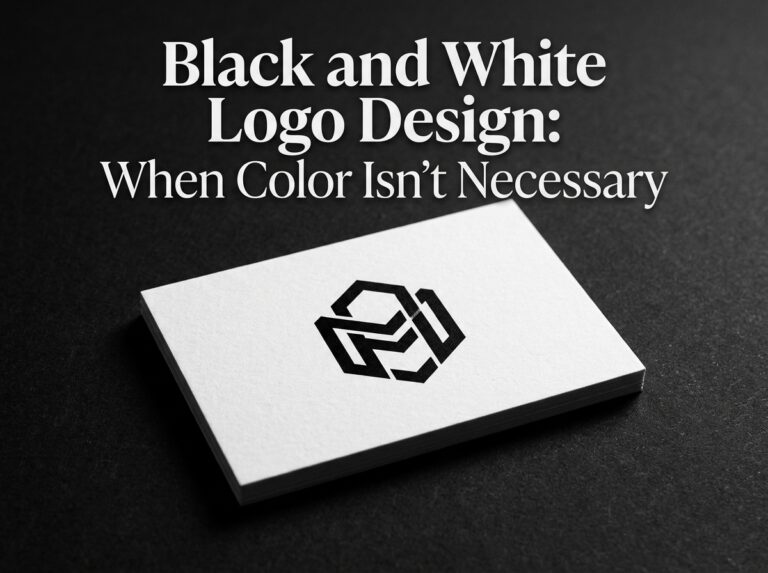
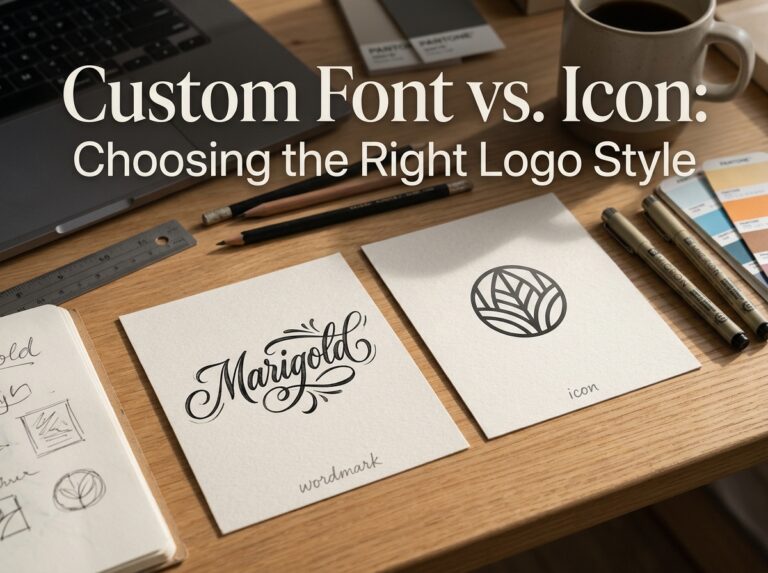
Your logo is the cornerstone, but not the whole brand. A good logo is simple, memorable, readable at small sizes, and flexible. Ask for a primary logo, a simpler secondary version, and a small icon for social profiles and favicons. It should work in colour, black, and white.
Colours
Choose a small, deliberate palette: one or two main colours, plus neutrals for backgrounds and text. Colour creates instant recognition and sets an emotional tone, so choose based on what you want people to feel, not just personal taste. Ensure text contrasts strongly enough with backgrounds to be readable.
Typography
Pick one font for headings and one for body text, at most. Fonts have personalities — modern, classic, playful, technical — so choose ones that match your voice, and use clear sizes for headings and body text.
Imagery style
Decide what your photos and graphics should look like: bright or moody, people- or product-focused, photography or illustration. A consistent imagery style is often what makes a small brand look surprisingly polished.
Step 5: Create a Simple Brand Style Guide
A brand identity only works if it is used the same way every time — by you, by staff, and by anyone you hire. That is what a style guide is for. It does not need to be long: your logo versions and clear-space rules, colour codes, fonts, voice, and examples of correct and incorrect use will do most of the work.
Store it somewhere easy to find and share it whenever someone designs for you. Many small businesses skip this step, then wonder why everything looks slightly different.
Step 6: Apply Your Brand Consistently, Everywhere
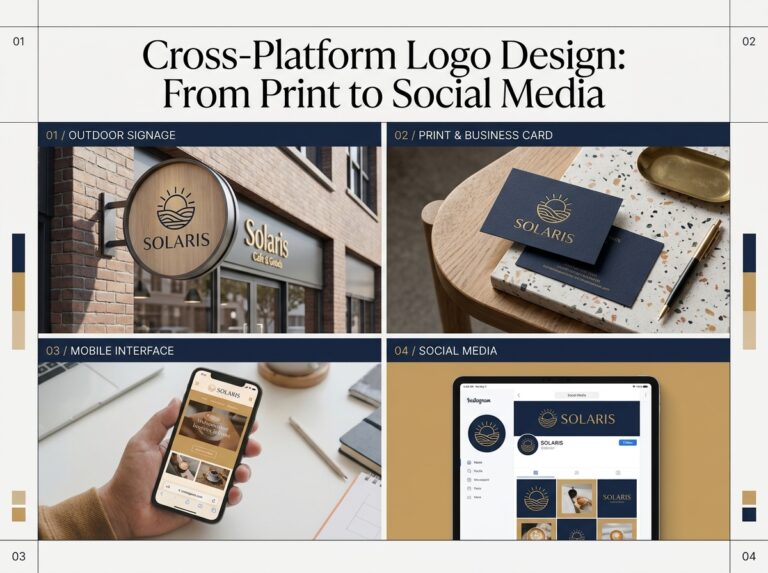
Now roll it out across every place a customer meets you:
- Website: logo, colours, fonts and voice throughout.
- Social media: matching profile images, covers and post templates.
- Print: business cards, flyers, signage and invoices that clearly come from the same business.
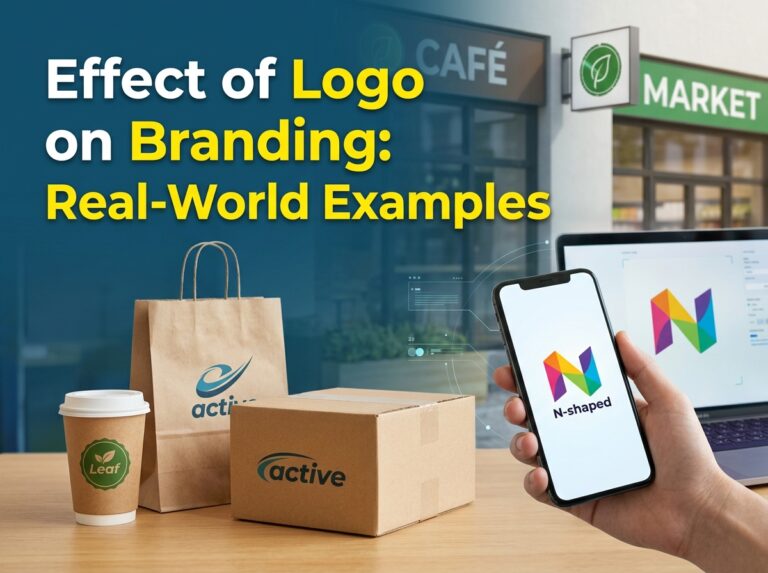
- Packaging and in person: boxes, bags, labels, uniforms or vehicle graphics, if they apply.
Consistency is not about being boring. It is about recognisable elements — colour, type, logo and tone — showing up reliably so people connect each experience to the last.

Common Mistakes to Avoid
A few pitfalls catch out many small businesses:
- Designing the logo first, before any strategy, then finding it doesn’t fit the audience.
- Using too many colours and fonts, which makes everything look noisy.
- Copying a competitor or trend too closely, so you blend in or date quickly.
- Being inconsistent — a different logo on Instagram, another on invoices, a third on the shop sign.
- Choosing only on personal taste. Your customers are the audience that matters most.
Quick Brand Identity Checklist
Use this checklist to see where you are:
- Purpose stated in one sentence.
- Three to five clear brand values.
- Ideal customer described specifically.
- Competitors researched; point of difference found.
- Business name, domain and social handles checked.
- Tagline and tone of voice defined.
- Primary, secondary and icon logo versions ready.
- Limited colour palette, with codes documented.
- Heading and body fonts chosen.
- Photography/illustration style defined.
- Simple brand style guide I can share.
- Website, social, print and packaging all match.
Frequently Asked Questions
How much does it cost to create a brand identity for a small business?
It varies widely. Doing it yourself with templates costs very little, but takes time and often looks inconsistent. A professional designer or studio costs more up front, and in return you get strategy, proper logo files, and guidelines you can use for years. Think of it as a long-term asset, not a one-off expense.
How long does it take?
Typically a few weeks, not months — roughly a week for strategy and research, one to two weeks for design and revisions, and a few days for guidelines and files. Rushing the thinking stage usually slows the design stage down.
Do I need a brand identity if I am a sole trader or freelancer?
Yes — arguably even more so. When the business is you, a consistent identity helps you look established, charge with confidence, and be remembered after a first meeting or search. It can be simple; it just needs to be consistent.
When should I rebrand?
When your business or audience has changed direction, your current look feels dated or DIY, or customers confuse you with a competitor. If your identity still fits and is applied well, small refinements are often better than starting again.
Conclusion: Start Clear, Then Stay Consistent
A powerful brand identity is not created in a single design session. It is built by making clear decisions — who you are, who you serve, how you look and how you sound — and applying them everywhere, every time. Start with strategy, design a simple, flexible visual system, write it down, and use it consistently. That is how small businesses come to look established, memorable and trustworthy.
If you would like help, Designores is a full-service design studio that has completed 1,600+ projects for 900+ companies, covering branding, logo design, web design and more. Explore our work and get in touch when you are ready — whether you need a complete identity or a second pair of eyes on one you are building yourself.


22 Comments