How to Protect Your Brand’s Identity Online (Trademark Basics)
Every hour you spend building your brand — choosing a name, refining a logo, winning customers — creates a real business asset. Online, though, that asset is exposed: a name can be copied in an afternoon, a logo lifted with a screenshot, and a lookalike profile can trade on your reputation before you even notice. Protecting your brand identity is not legal housekeeping to bolt on later; it is part of branding itself. This guide covers what protection involves, how trademarks work in plain English, and the steps that keep your identity yours.
What “Brand Identity Protection” Actually Covers
Your brand identity has several parts, and each can need protecting in its own right:
- Your business or brand name — the words customers search for, say and recommend.
- Your logo — the visual mark, in its specific artwork, colours and arrangement.
- Your tagline — a distinctive phrase associated with your business.
- Distinctive colours, shapes or packaging — what customers recognise before they read a word.
One distinction matters from the start: owning a design file is not the same as owning the rights. The artwork in your files proves what your logo looks like; it does not, by itself, stop a competitor using something confusingly similar. Rights come from use in trade and, far more strongly, from registration. A clear, consistent brand identity gives you assets worth protecting; the steps below give you the standing to defend them.
Trademark Basics in Plain English
A trademark is a sign — a name, logo, phrase or combination — that distinguishes your goods or services from everyone else’s. When customers see it, they should know the goods or services come from you.
A few basics worth getting right:
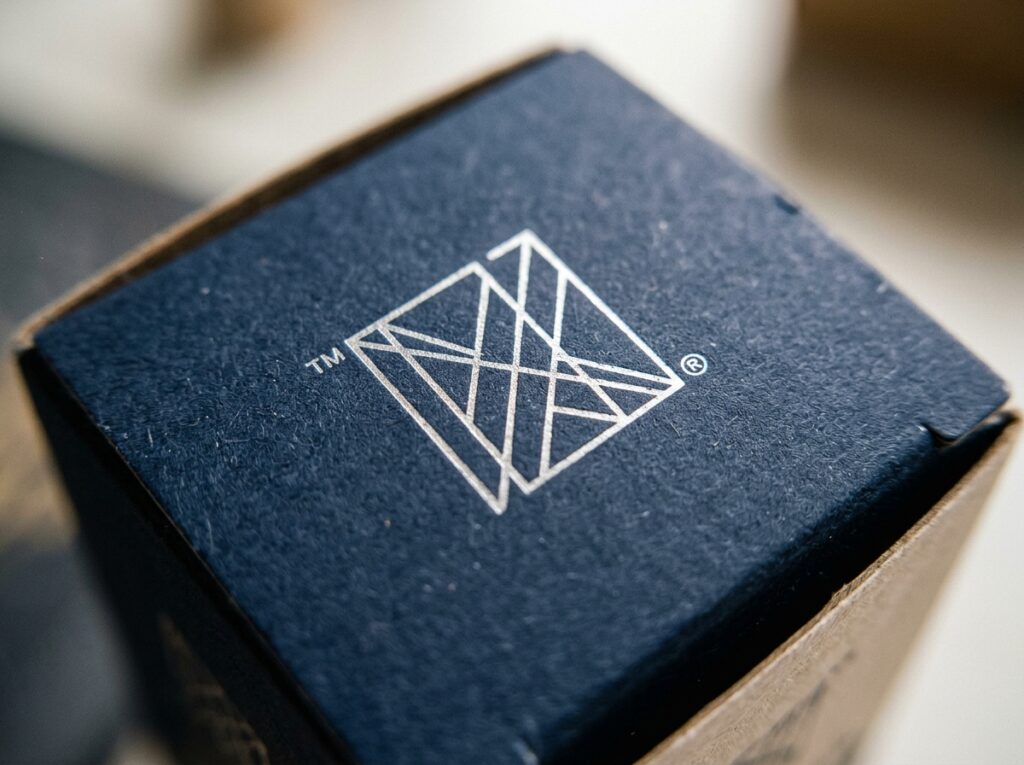
- ™ versus ®. The ™ symbol simply claims something as your trademark; anyone can use it. The ® symbol may only be used once a mark is actually registered — using it earlier is a common, avoidable error, and in some countries an offence.
- Registration versus use. Using a mark in trade can give you some rights, but they tend to be limited, local and harder to prove. Registration gives you a clear, recorded right that is far easier to enforce.
- Classes of goods and services. Trademarks are registered in classes — categories covering particular goods and services. Your registration protects you in the classes you file for, not everywhere: a name registered for clothing may coexist quite legally with the same name used for software.
- Why descriptive names are hard to register. A mark must be distinctive. Names that merely describe the product — “Tasty Burgers” for a burger bar — are weak candidates: no single trader should monopolise ordinary descriptive words.
One important caveat: this article is general educational information, not legal advice. Trademark law varies by country; for your specific situation — especially before filing or if a dispute arises — consult a trademark attorney.

Step-by-Step: Protecting Your Brand
- Search before you commit. Check trademark registers in the countries you trade in, plus existing businesses, domain names and social media handles. Finding a conflict at this stage costs nothing; finding it after your signage is printed costs a great deal.
- File in the classes you actually trade in. Register your name — and ideally your logo — in the classes covering your current goods and services, plus any you plan to add soon.
- Secure the digital ground. Register the matching domains (including obvious variants) and claim your handles on the platforms your customers use, even ones you do not use yet.
- Use your marks consistently. Same name, same logo artwork, presented the same way everywhere — it strengthens recognition and makes your claim to the mark clearer.
- Keep dated records. Save dated evidence of first use — invoices, screenshots, launch announcements, design files. If your rights are ever questioned, the paper trail is invaluable.
- Expect the process to take time. Registration can take months, and fees vary by country and by how many classes you file in. Budget for both, and take professional advice if a filing looks less than straightforward.
Protecting Your Brand Online Day to Day
Registration is the foundation; day-to-day habits are the walls. Keep your name and handles consistent across every platform so customers can spot the genuine business — and impostors stand out. Set up simple monitoring: search your name regularly and use alerts so new mentions reach you without effort. On watermarking, be selective: it suits previews and portfolio pieces, but plastering marks over customer-facing content damages the experience more than it deters.
If someone does copy you, act on evidence, not impulse. Save dated screenshots and URLs first. Most platforms have reporting routes for impersonation and intellectual property infringement, and registrars and hosts run takedown processes for abusive sites — use them, with your registration details to hand. Many cases end at this stage; the ones that do not are where your attorney earns their fee.
Common Mistakes
- Using ® before registration. The symbol means registered. Until the certificate exists, use ™ to make your claim.
- Assuming a domain is a trademark. Buying a domain gives you an address, not brand rights — and the domain itself can infringe someone else’s registered mark.
- Copying a competitor’s look “legally enough”. Changing a colour or a letter is not a safe harbour. If customers could reasonably confuse the two businesses, you have a problem.
- Protecting only the name. Your logo is a separate asset. Register it too, or a similar mark may slip through the gap.
- Protecting nothing until you are “big enough”. Copying is easiest when you are small and unregistered — exactly when it hurts most.
Quick Checklist
- Trademark registers searched for name and logo before launch
- Name (and logo) filed in the classes we actually trade in
- ® used only on registered marks; ™ used for claims
- Matching domains and social handles secured
- Marks used consistently across website, packaging and profiles
- Dated records of first use saved and organised
- Brand name searches and alerts set up for monitoring

Frequently Asked Questions
Do I need a trademark if I already own the domain?
Yes — they are different things. A domain is an address you rent; a trademark is a right in the brand itself. Owning the domain does not stop someone registering your name as a trademark, and your domain could even infringe an existing mark.
Can I trademark my name and logo separately?
Yes: a word mark for the name and a device mark for the logo. Separate marks can be stronger — the name stays protected even if you redesign the logo later.
What if someone copies me before I register?
Do not assume it is hopeless. Prior use, your dated records and platform reporting routes may all help, and a bad-faith copycat is weaker than they look. Take it to a trademark attorney promptly, evidence in hand.
Should I register before or after launch?
Before, if you possibly can. Searching early prevents building on a name you cannot keep, and filing early starts the clock on a process that can take months — ideally before heavy spending on signage, packaging and promotion.
Conclusion: Protection Is Part of Branding
Your name, logo and look are assets you build every day. Searching properly, registering in the right classes, securing your domains and handles, using your marks consistently and keeping records turns them into assets you can actually defend. It is not the glamorous side of branding — but it is what makes the glamorous side safe to invest in.
Good foundations help here too: properly delivered design files, complete logo suites and clear brand guidelines make it far easier to use marks consistently and show exactly what you own. That is the standard Designores works to across 1,600+ projects for 900+ companies — when you are ready to build an identity worth protecting, get in touch.