
Local Branding Strategies: How to Stand Out in Your City
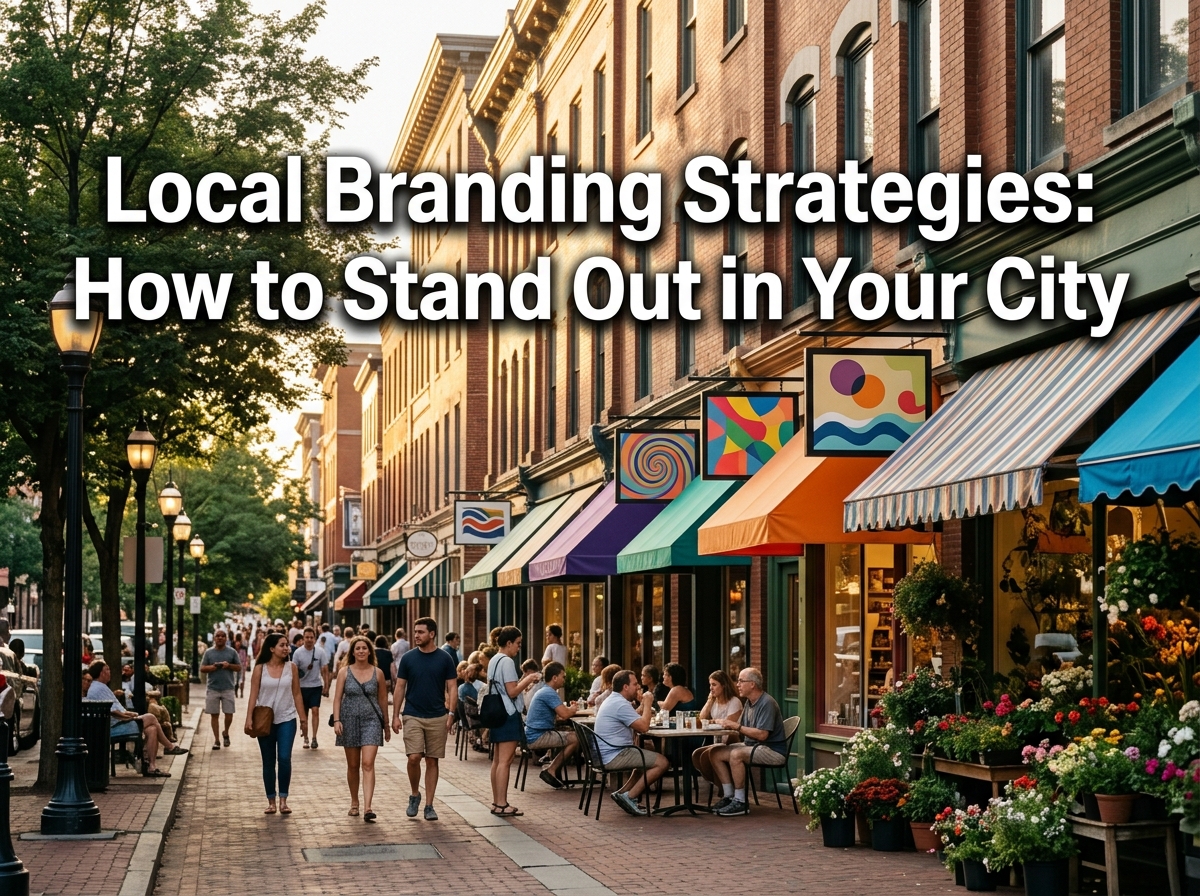
A national chain can outspend you on advertising, and an online giant can undercut you on price. What neither can do is be from here. Local businesses win on recognition, trust and belonging — the feeling that a business is part of the neighbourhood rather than dropped into it. Branding is how that feeling gets built deliberately: the name people use without thinking, the colours they spot from down the street, the business they describe as “ours”. This guide is a practical local branding strategy — how to root your identity in your city so customers choose you first, and recommend you without being asked.
Know Your Local Audience First
Every city has its own character, and usually every neighbourhood within it does too. Before designing anything, get specific about who you are branding for:
- Neighbourhood character. A student district, a family suburb and a historic market quarter respond to different tones, price signals and styles. Walk your area and notice what thrives.
- Local language. Every place has its words — for food, for weather, for each other. Used naturally, the odd local term signals belonging. Used carelessly, it sounds like an outsider performing, so borrow lightly.
- What locals value. Convenience, craft, price, heritage, speed — the priority order differs by place and by trade. A bakery in a commuter town sells mornings; a repair shop in a close-knit area sells trust.
Talk to customers. Ask why they chose you and what they tell friends. The answers are your positioning, in their words.
Build Local Signals Into Your Visual Identity
Your visuals should feel like they could only belong here — without turning into a souvenir shop. The craft is in the balance:
- Place-inspired colour and motifs. Draw a colour from the local landscape, brickwork, coastline or a famous local product. A subtle motif — a skyline line, a bridge arch, a pattern from local craft — can run through packaging and signage tastefully.
- Real photography. Photograph your actual street, your actual customers (with permission), your actual team. Local people recognise real places instantly, and the trust that follows is hard to fake.
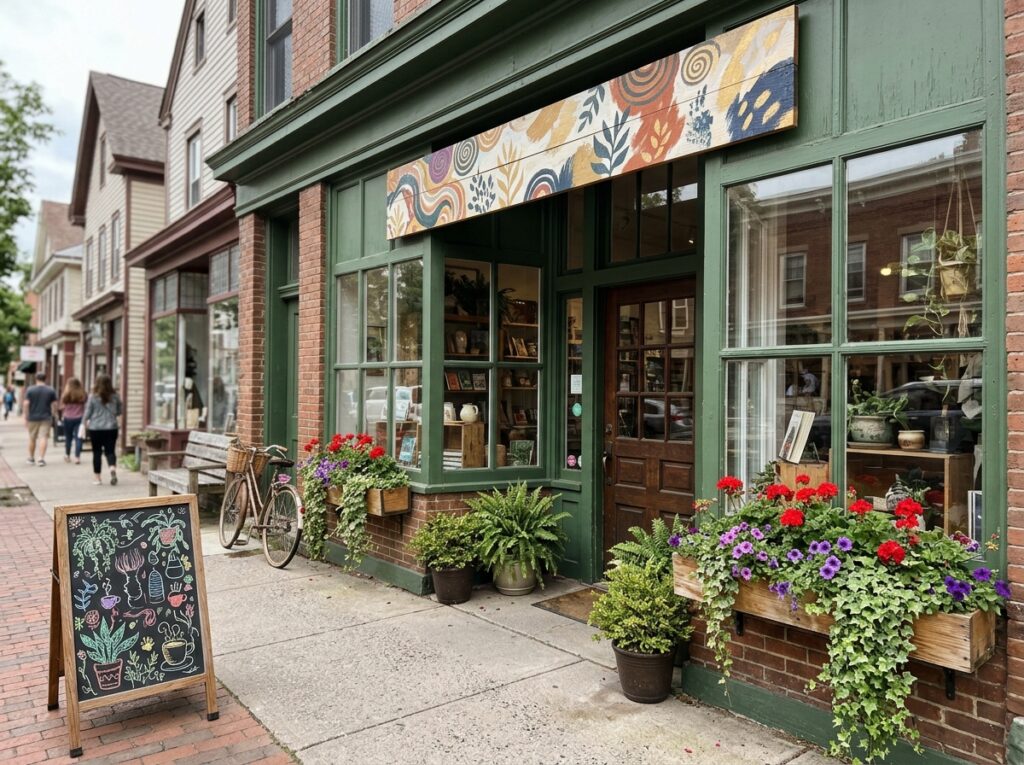
- Signage that fits the street. A sign should stand out from its neighbours, not fight them. Legible from a walking pace, consistent with your other materials, and respectful of the building it sits on.
This is where local flavour meets the fundamentals: your colours, type and imagery still need to work as one coherent brand identity, or the local touches read as decoration rather than identity.
Be Findable and Consistent Locally
Local branding fails quietly when customers cannot find you — or find three versions of you. Cover the basics properly:
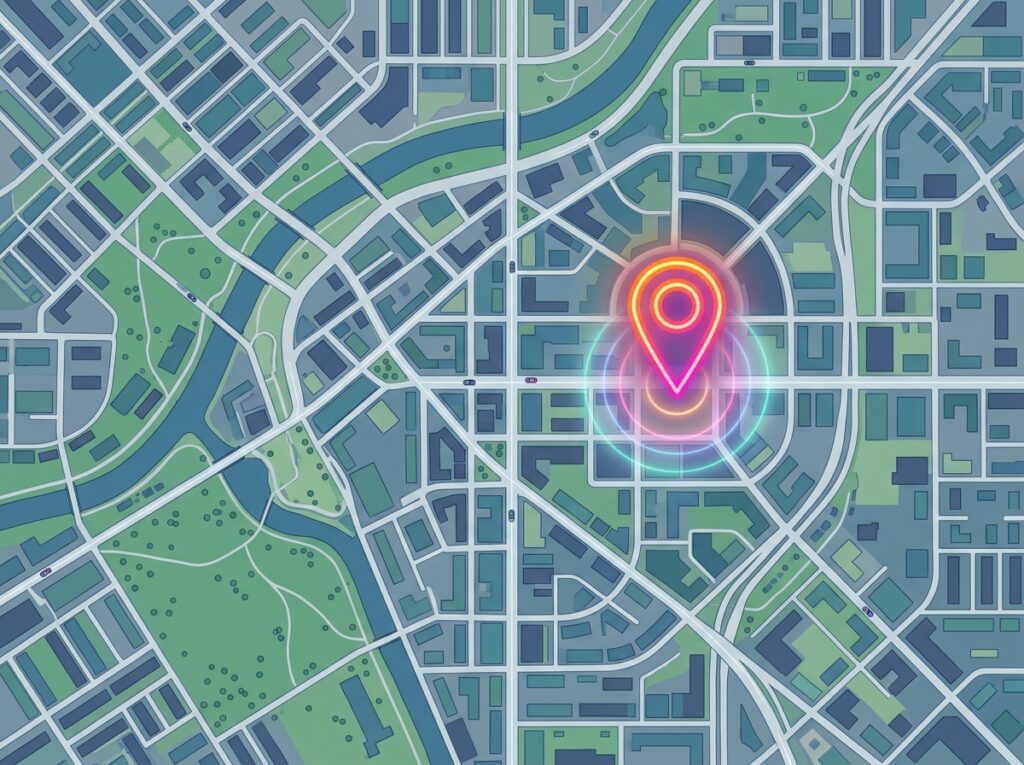
- Google Business Profile. Keep it complete and current: correct category, opening hours, photos of the real premises, your logo and colours in the imagery. For many local searches, this profile is your shopfront.
- Local keywords on your website. Name your city and neighbourhoods naturally in your page copy, service pages and headings — the way a customer would search, such as the trade plus the place.
- One name, everywhere. Your business name, address and phone number should be identical across your website, listings, directories and social profiles. Variations confuse both customers and search engines.
- Reviews in your brand voice. Reply to reviews — good and bad — in the same tone as your other communications. Prospective customers read the replies as carefully as the ratings.
Consistency is not a cosmetic nicety: it is how recognition compounds every time someone encounters your business, online or on the street.
Show Up in the Community
Belonging is demonstrated, not declared. The businesses locals defend are the ones they have actually met:
- Sponsor something small and real. A youth team’s kit, a school fair, a charity run. Modest sponsorships put your name in front of exactly your customers, attached to goodwill.
- Collaborate with neighbours. Joint offers with complementary businesses — the café and the bookshop, the gym and the physio — introduce your brand through someone the customer already trusts.
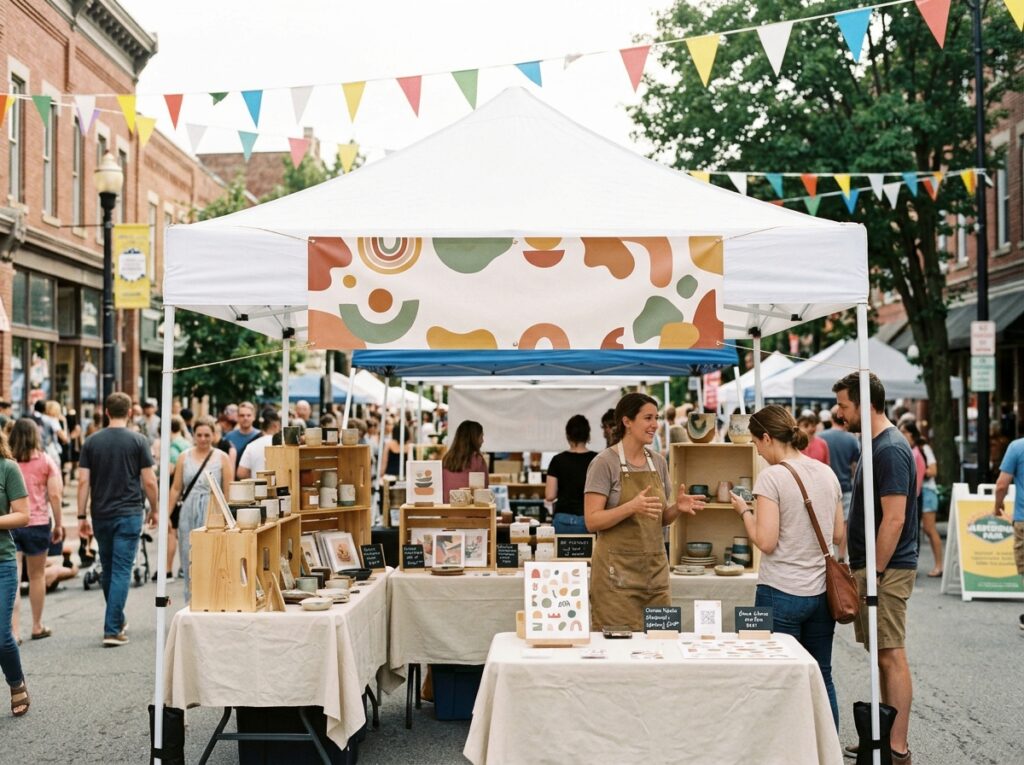
- Markets and pop-ups. A market stall or a pop-up in a partner’s space lets people experience your brand in person, often more memorably than any advert.
- Use your window. A shop window is free media on your own street: seasonal displays, community notices, a board celebrating a local win. It tells passers-by you notice the same things they do.
Local Social and Content Ideas
Your social feeds should sound like a neighbour, not a broadcaster:
- Spotlight customers and staff. With permission, feature the people — a regular’s story, a team member’s craft, a supplier down the road. People share posts they appear in.
- Local hashtags and geotags. Tag your location on every post and use the hashtags your community actually uses, so neighbours browsing local content find you.
- Behind the scenes. The early-morning prep, the delivery from a local supplier, the workshop mid-job. Ordinary to you; distinctive to everyone else.
- A local calendar. Build content around your city’s rhythm — festivals, match days, school terms, seasonal markets — planned in advance, not reacted to late.
Mistakes to Avoid
- Faking local roots. Claiming a heritage or a hometown you do not have is the fastest way to lose a community’s trust when it surfaces — and it usually surfaces.
- The generic stock look. Template visuals identical to the chains make you look like one: interchangeable, and competing on price alone.
- Inconsistent name or visuals across listings. Different logos, old addresses and mismatched names fragment your recognition and your search presence.
- Ignoring reviews. Unanswered reviews — especially critical ones — read as indifference, and locally, word travels.
Quick Checklist
- I can describe my neighbourhood’s character and what locals value most
- My colours, motifs and photography draw on real local references
- My signage is legible, distinctive and consistent with my other materials
- Google Business Profile is complete, current and on-brand
- Website copy uses local keywords naturally (trade + place)
- Name, address and phone are identical across every listing
- I have at least one community presence this quarter (sponsorship, collaboration, market or event)
Frequently Asked Questions
I’m online-only but serve one city — does this apply?
Yes. Replace the shopfront with your delivery area, packaging and local search presence: city-focused service pages, local reviews, community groups and partnerships with physical businesses all build the same belonging, without premises.
How do I compete with a national chain’s budget?
You do not outspend them; you out-belong them. Chains standardise — you can be specific: real local photography, the owner’s face, neighbourhood knowledge, more personal responses. Spend narrowly on the touchpoints your customers actually see.
Should my logo mention the city?
Only if the city is genuinely part of your appeal and you will not outgrow it. A place name in your logo can anchor trust locally but complicate expansion; often the better route is a flexible logo with local references carried by taglines, imagery and copy instead.
How fast does local branding pay off?
Findability fixes (profile, listings, keywords) can help within weeks. Recognition and belonging build over months of consistent presence — showing up, replying, sponsoring, posting. Treat it as compounding: slow to start, hard for competitors to copy later.
Conclusion: Be the Name Your City Uses
Standing out locally is not about shouting louder than the chains. It is about being unmistakably of your place: knowing your audience, rooting your visuals in real streets and real people, staying findable and consistent, and showing up where your community gathers. Do that steadily, and your business becomes the name locals use for what you do.
Building a local brand and want it designed properly from the start? Designores is a full-service design studio — 1,600+ projects for 900+ companies — creating branding that fits your market and your street. Get in touch when you are ready.







One Comment